TLDR
An EV charging depot for heavy-duty fleets is a dedicated, high-power charging facility designed specifically for commercial electric trucks. These depots support fast, reliable, large-scale charging using DC fast chargers and megawatt-ready infrastructure, are located along major freight corridors, and are built to meet the operational demands of port drayage, regional haul, and long-haul freight. WattEV operates EV charging depots for heavy-duty fleets across California, integrating high-power charging, renewable energy, and fleet operations to enable zero-emission freight at scale.
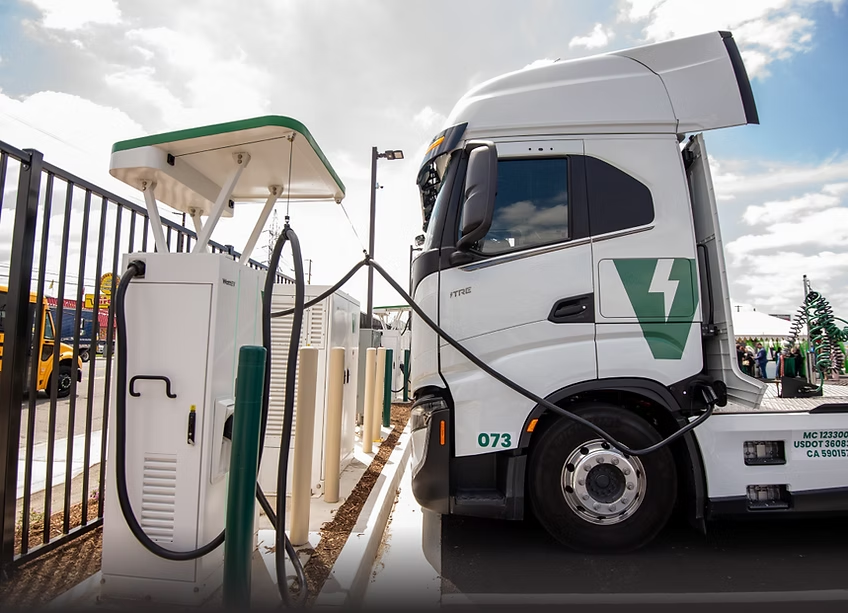
An EV charging depot is a facility designed to deliver high-power electricity to electric vehicles in a structured, operational environment. For heavy-duty fleets, EV charging depots are built specifically for commercial trucks, not passenger cars.
Unlike public EV charging stations, which are designed for short, occasional charging sessions, EV charging depots for heavy-duty fleets are engineered for continuous commercial operation, high energy throughput, and predictable uptime.
How Heavy-Duty EV Charging Depots Differ from Public Charging Stations
Heavy-duty EV charging depots are fundamentally different from passenger-car charging infrastructure.
They typically include:
- High-power DC fast chargers (350 kW today, megawatt-ready for future trucks)
- Pull-through lanes designed for Class 6–8 trucks and trailers
- Industrial-grade electrical infrastructure capable of supporting simultaneous high-load charging
- 24/7 operations aligned with freight schedules
- Fleet-focused layouts that minimize dwell time and congestion
Public EV chargers are designed for occasional use by light-duty vehicles. Heavy-duty depots are built for continuous commercial operation.
Why EV Charging Depots Matter for Electric Freight
Electric freight adoption depends on infrastructure that matches how trucks actually operate. Trucks do not charge opportunistically like cars. They charge based on:
- Fixed routes
- Delivery windows
- Driver hours-of-service
- Cargo schedules
EV charging depots for heavy-duty fleets solve this by placing high-power charging directly along freight corridors, near ports, distribution centers, and logistics hubs. This enables fleets to electrify without sacrificing uptime or productivity.
Key Features of a Heavy-Duty EV Charging Depot
A purpose-built EV charging depot for fleets typically includes:
High-Power and Megawatt-Ready Charging
Modern depots support 350–450 kW charging today and are engineered for Megawatt Charging System (MCS) deployment as next-generation trucks enter service.
Renewable Energy Integration
Many depots integrate on-site solar and battery storage to:
- Reduce grid dependence
- Lower carbon intensity
- Improve energy cost stability
- Support grid resilience during peak demand
Energy and Fleet Management
Advanced depots use real-time energy management, predictive maintenance, and fleet scheduling to:
- Maximize charger uptime
- Reduce idle time
- Align charging with renewable generation
Scalability
Heavy-duty depots are designed to scale as fleets grow, with electrical capacity, site layout, and utility interconnection planned for future expansion.
WattEV’s Approach to EV Charging Depots
WattEV operates dedicated EV charging depots for heavy-duty fleets across California, built specifically for real freight operations. WattEV’s depots are:
- Located along major freight corridors, including ports, the Inland Empire, the Central Valley, and Interstate-5
- High-power and MCS-ready, supporting both today’s trucks and next-generation electric vehicles
- Integrated with solar and energy storage, reducing emissions and improving operational resilience
- Designed, built, and operated by WattEV, ensuring end-to-end reliability
By combining charging infrastructure with fleet operations and energy management, WattEV enables electric freight to operate at scale today, not as a future concept.
The Role of EV Charging Depots in the Future of Freight
As regulations tighten and fleets transition away from diesel, EV charging depots for heavy-duty trucks will become core logistics infrastructure, similar to fuel terminals and distribution hubs today.
Well-designed depots enable:
- Faster adoption of zero-emission trucks
- Lower total cost of ownership for fleets
- Reduced emissions in freight-heavy communities
- Scalable, corridor-based electrification
EV charging depots are not just chargers. They are the foundation of a zero-emission freight network.