As electric trucking moves beyond pilot programs, the industry is facing a new challenge. The focus is no longer on whether zero-emission freight can move goods. Instead, the question is whether electric truck charging infrastructure can support consistent, large-scale operations.
In real-world freight operations, reliability and scalability depend on how charging sites connect across regions. That system-level connection is defined by network density.
What Network Density Means in Zero-Emission Freight
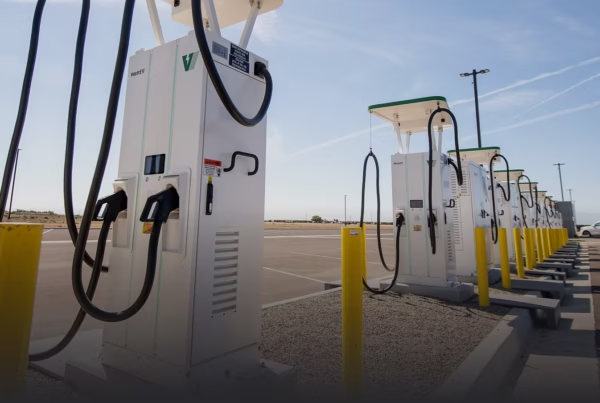
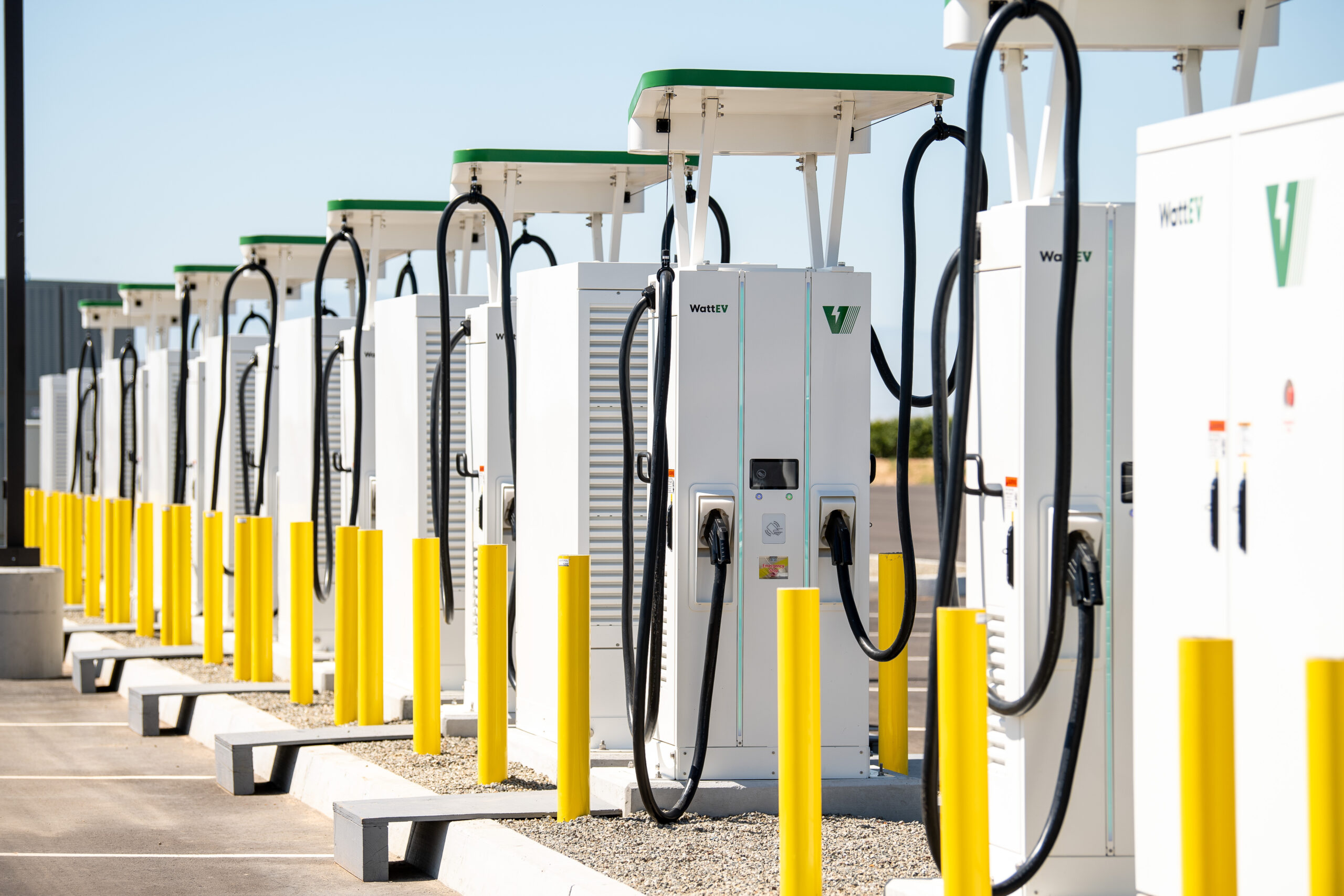
In the context of zero-emission freight, network density refers to the strategic placement and concentration of electric truck charging infrastructure along high-volume freight routes.
At scale, a dense network enables fleets to operate with:
- Predictable routing and scheduling
- Redundancy that reduces downtime risk
- Flexibility to adapt to real-world conditions
Without sufficient density, electrification remains limited to narrow, controlled use cases rather than full commercial deployment.
Why Single Charging Sites Are Not Enough
In practice, a single charging depot, no matter how advanced, cannot support regional freight operations on its own.
Freight moves across ports, warehouses, distribution centers, and long-haul corridors. For this reason, electric freight corridors require infrastructure designed as a connected system rather than isolated locations.
Well-connected electric truck charging networks allow fleets to:
- Adjust routes without disruption
- Scale operations as demand grows
- Maintain uptime across multiple regions
This system-based approach enables electric freight to function reliably under real operating conditions.
How Network Density Improves Reliability
Reliability is a critical requirement in zero-emission freight. Operators measure it through uptime, consistency, and on-time performance.
As a result, network density improves reliability by:
- Reducing single points of failure
- Allowing rerouting during maintenance or congestion
- Supporting continuous operations across freight corridors
From an infrastructure perspective, reliability is built through intentional network design, not assumptions about individual sites.
Network Density Enables Freight Electrification at Scale
Scaling freight electrification requires infrastructure that reflects how freight actually moves.
That includes:
- Corridor-based coverage rather than isolated nodes
- Infrastructure built for heavy-duty operations
- Charging access aligned with real freight flows
Over time, as network density increases, electric trucks shift from experimental deployments to dependable assets within the supply chain.
California as a Model for Networked Electric Freight
California provides a clear example of why network density matters.
High freight volumes, port activity, and regional distribution centers demand electric truck charging infrastructure that supports continuous movement. Building zero-emission freight corridors across the state depends on connecting charging sites into a cohesive network.
As networks expand, each new site strengthens the overall system rather than operating independently.
From Pilot Programs to Infrastructure Platform
The next phase of electric truck charging infrastructure is defined by platforms, not pilots.
From a freight systems standpoint, network density signals:
- Operational maturity
- Long-term viability
- Readiness for broader fleet adoption
It marks the transition from testing electrification to embedding it into modern freight operations.
Conclusion: Why Network Density Defines the Future of Zero-Emission Freight
As zero-emission freight continues to scale, progress will be measured by connectivity rather than novelty.
Ultimately, network density is the foundation that allows electric freight to operate reliably, flexibly, and at scale. It transforms electrification from an experiment into infrastructure.